What is Contemplation?
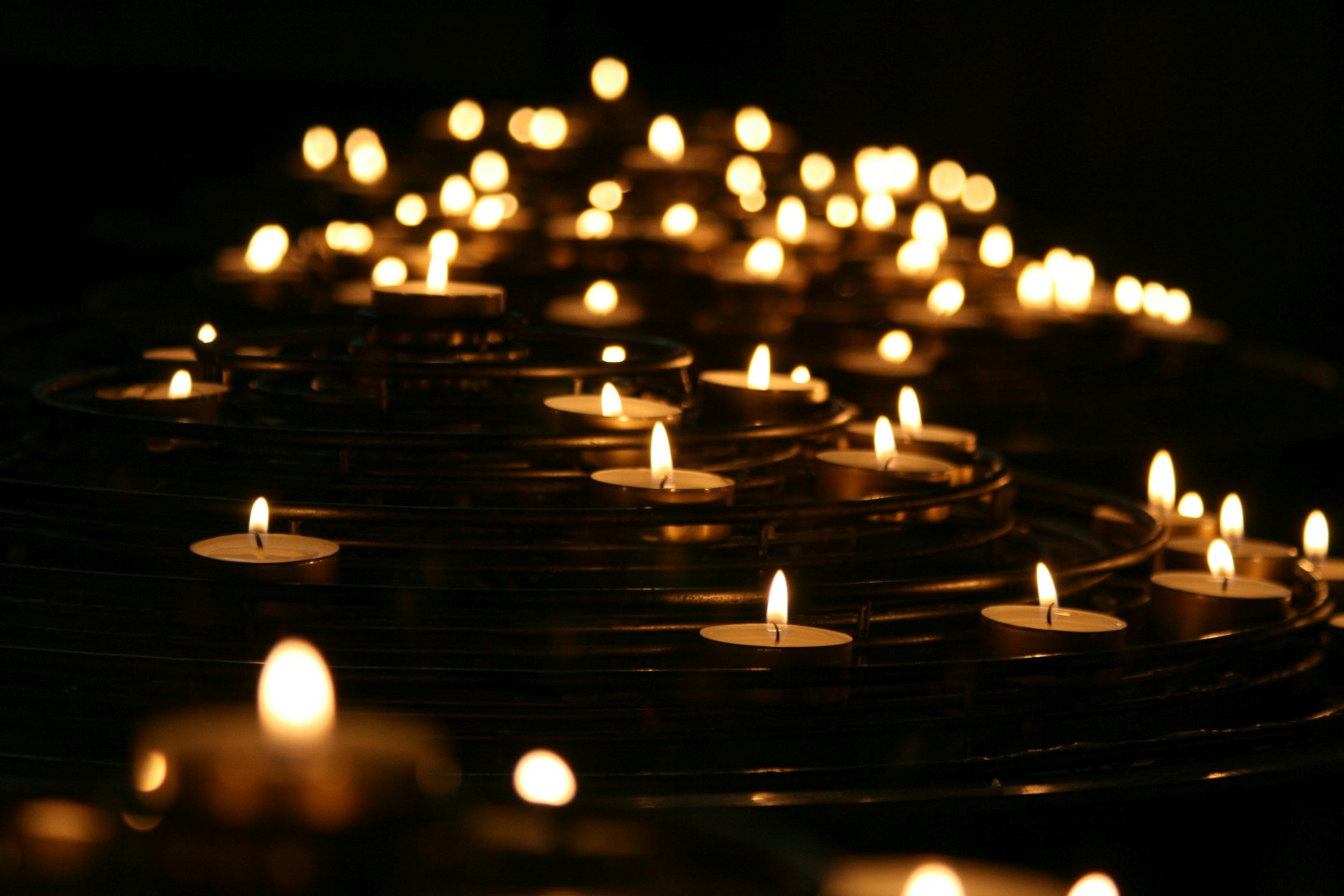
Contemplation, within the Catholic monastic tradition, is a profound spiritual practice that transcends mere intellectual understanding. It is an experiential encounter with the Divine, characterized by deep silence, receptive awareness, and transformative presence. This essay delves into the insights of four influential figures—Thomas Merton, Thomas Keating, Richard Rohr, and Dr. James Finley—to elucidate the essence of contemplation and its role in spiritual awakening.
1. Thomas Merton: Contemplation as Awakening to the Divine Presence
Thomas Merton, a Trappist monk and prolific writer, viewed contemplation as the pinnacle of spiritual life. In his work New Seeds of Contemplation, Merton describes it as “the highest expression of our intellectual and spiritual life,” emphasizing that it is “spiritual wonder” and “spontaneous awe at the sacredness of life” . He believed that contemplation is not merely a mental exercise but a profound encounter with God’s presence, leading to a deep sense of peace and clarity.(newyorker.com, contemplativespirituality.org)
Merton also highlighted the importance of silence and solitude in cultivating a contemplative life. He argued that in a world filled with noise and distraction, silence becomes a sacred space where one can listen attentively to the Divine and discern the true essence of existence .(blogs.sjcme.edu, thomasmertonnyc.org)
2. Thomas Keating: Centering Prayer as a Path to Divine Union
Thomas Keating, another Trappist monk, developed the practice of Centering Prayer as a method to facilitate contemplative awareness. He defined contemplative prayer as “the opening of mind and heart—our whole being—to God, the Ultimate Mystery, beyond thoughts, words, and emotions” . Keating emphasized that this form of prayer is a gift from God, a grace that allows individuals to move beyond the limitations of their thoughts and enter into a direct, experiential relationship with the Divine.(contemplation.info, contemplativeoutreach.org)
He also introduced the concept of the “divine therapy,” suggesting that contemplative prayer serves as a healing process, addressing the inner wounds and false identities that hinder spiritual growth. Through regular practice, individuals can experience a transformation of consciousness, leading to a deeper union with God and a more authentic expression of love and compassion in the world.
3. Richard Rohr: Contemplation as Transformative Seeing
Richard Rohr, a Franciscan friar and founder of the Center for Action and Contemplation, views contemplation as a way of seeing that transcends ordinary perception. He describes it as “a kind of seeing that is much more than mere looking because it also includes recognizing and thus appreciating” . Rohr emphasizes that the contemplative mind does not dictate what to see but teaches how to see, allowing individuals to perceive the world in its wholeness and interconnectedness.(cac.org)
For Rohr, contemplation is not an escape from the world but a means to engage with it more deeply. It involves embracing the mystery of life and allowing oneself to be transformed by the experiences of love and suffering. Through this process, individuals can develop a compassionate and inclusive perspective, seeing the Divine presence in all aspects of life .(cac.org)
Dr. James Finley: Contemplation as Union with the Divine
Dr. James Finley, a clinical psychologist and former Trappist monk, studied under Thomas Merton and has since become a prominent teacher of Christian mysticism. He views contemplation as a transformative process that leads to union with the Divine. In his teachings, Finley emphasizes the importance of connecting to the “Divine indwelling,” the presence of God within each individual, as a means to transcend fear and shame and awaken to one’s True Self .(swissamerica.com, cac.org)
Finley also explores the psychological dimensions of contemplation, highlighting how the practice can lead to healing and integration of the self. By cultivating a deep awareness of God’s presence, individuals can experience a profound sense of peace and wholeness, which radiates outward in their relationships and actions in the world.
The transformative power of contemplation
In summary, contemplation, as understood by Merton, Keating, Rohr, and Finley, is a multifaceted spiritual practice that involves deep silence, receptive awareness, and transformative presence. It is a path that leads to a direct encounter with the Divine, fostering inner peace, healing, and a compassionate engagement with the world. Through contemplation, individuals can awaken to the sacredness of life, perceive the interconnectedness of all beings, and live more authentically in alignment with their True Self.As Merton eloquently states, “Contemplation is the rendezvous between God and a person in which one gazes on God in silent adoration and tastes the very goodness of God” . This encounter is not a distant ideal but a present reality, accessible to all who earnestly seek it. In the words of Keating, “Contemplative prayer is the world in which God can do anything” . It is a space where transformation occurs, where the Divine can work within us, healing our wounds and guiding us toward our highest potential.(blogs.sjcme.edu, contemplativespirituality.org)Therefore, embracing contemplation is not merely a personal endeavour but a collective invitation to awaken to the Divine presence within and around us, fostering a world characterized by peace, compassion, and authentic love.
Author : Philip Boon contained within Beyond The Walls: Foundational Christianity for Prisoners